Thorough Inspection
Regular examination of plants and soil to identify early signs of pest activity.

Discover how systematic observation, early detection, and targeted interventions form the foundation of a comprehensive plant protection strategy. GreenGuard’s methods are designed to support the natural resilience of your garden, using tools and techniques that align with the specific needs of each plant and situation.

Regular examination of plants and soil to identify early signs of pest activity.
Determining the specific pest species to choose appropriate response measures.
Applying control methods only where and when they are needed based on observed data.
Tracking pest populations and plant health over time to adjust management plans.
GreenGuard focuses on an informational framework that prioritizes understanding before action. Every pest situation is assessed through careful observation, with attention to environmental conditions, plant species, and pest life cycles. Rather than relying on uniform treatments, we develop context-specific plans that may include cultural practices, physical barriers, and biological controls. Our specialists are trained to document findings and communicate transparently with clients about the rationale behind each step. This process-oriented approach aims to support long-term plant vitality while minimizing disruption to the surrounding ecosystem. The effectiveness of any method depends on many variables, and outcomes are always discussed in relation to those factors.
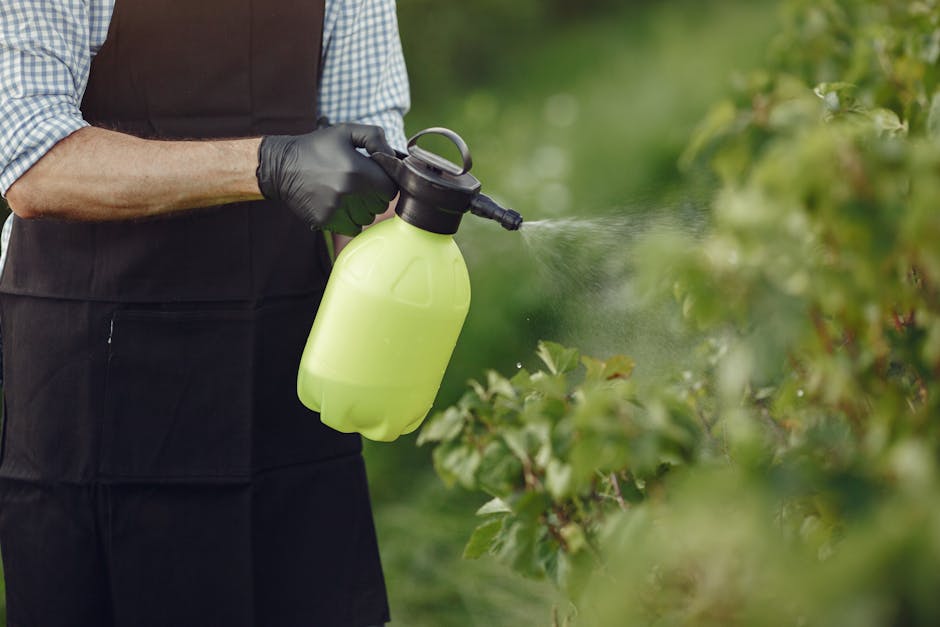
Pest management involves a range of tactics that can be combined in different ways depending on the situation. One common method is cultural control, which includes practices like proper watering, pruning, and soil management to make the environment less favorable for pests. Mechanical methods such as traps, barriers, or hand removal offer direct but selective intervention. Biological control introduces or encourages natural predators and parasites that keep pest populations in check. Chemical controls, when used, are selected based on target specificity and application timing to reduce non-target impacts. Each method has its own set of considerations, and the choice of approach depends on factors such as pest density, plant stage, weather conditions, and local regulations. Regular monitoring provides the data needed to evaluate whether adjustments are necessary.
The team took time to explain each step of the inspection process. I appreciated how they focused on understanding the issue before suggesting any treatment.
They showed me the actual pests under a magnifying lens and explained their life cycle. That level of detail made the management plan feel very thoughtful.
I liked that they didn’t push any single solution. Instead, they presented several options and let me choose based on my own comfort level.
Any pest management activity takes place within a larger ecological context. GreenGuard emphasizes methods that aim to minimize unintended consequences for beneficial insects, soil organisms, and nearby plants. For example, spot-treating only affected areas and applying products during times when pollinators are less active can reduce environmental exposure. We also consider the persistence of substances in the environment and the potential for runoff. These factors are discussed openly so that clients understand the trade-offs involved in different approaches. Recommendations are always framed as possibilities rather than certainties, and the final decisions rest with the property owner.